
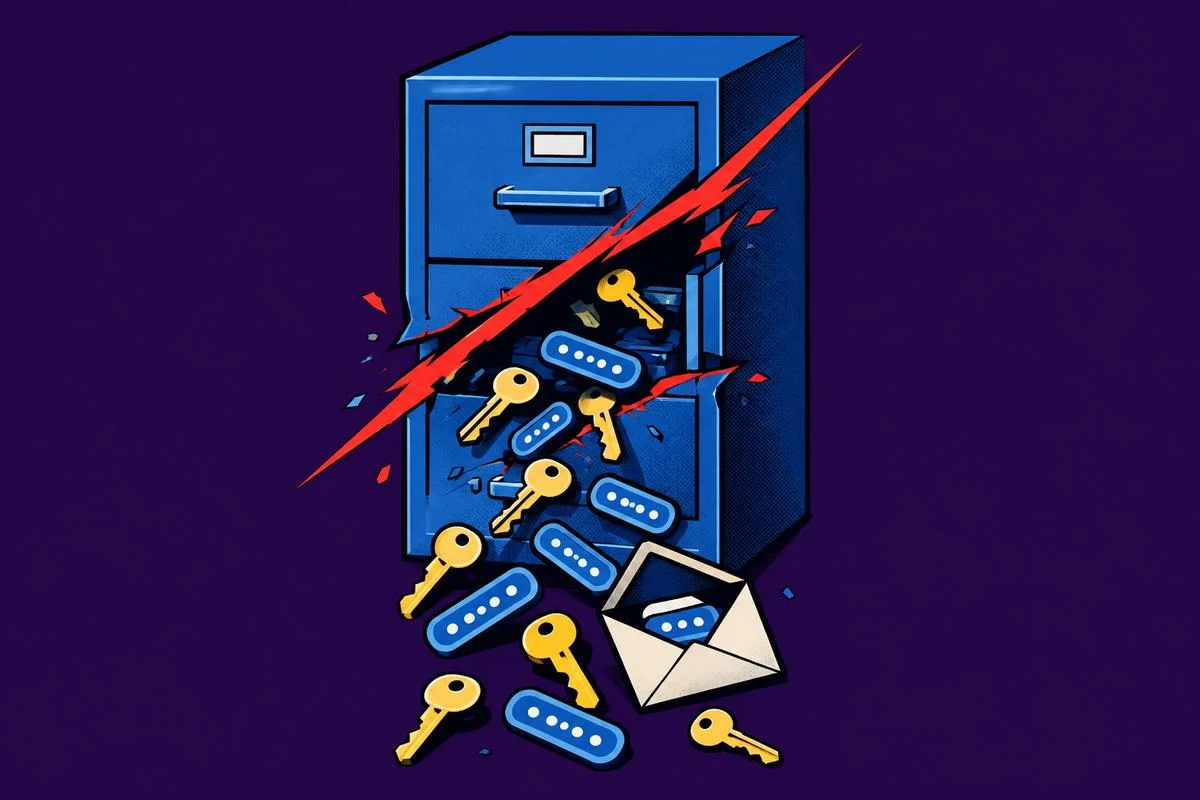
The DreamHost data breach exposed customer emails and credentials during an attack that began in August 2026 and went undetected until October 23, 2026, according to the web host’s breach notice. Hackers accessed its File Manager platform and stole FTP/SFTP login details belonging to customers who used it during that period.
DreamHost disclosed the attack after it caused an outage lasting several days. The company reset some customer passwords during the disruption. A spokesperson said those affected represented “well under 10%” of its approximately 400,000 paying customers.
The notice, filed with California’s attorney general, says attackers exploited a vulnerability in the software running the web-based File Manager, which customers use to store files. DreamHost said the flaw was unrelated to the vulnerabilities identified in PHP web software.
Attackers also obtained session tokens—information that keeps users signed in after they enter a password. Stolen tokens let an intruder access a system as the logged-in user. According to DreamHost’s notice, the intruder may have gained entry to webmail systems, which exposed session information, including credentials, belonging to a limited number of users.
DreamHost data breach response includes password and session resets
DreamHost said it blocked the attackers’ access and fixed the exploited vulnerability. It also terminated active sessions for potentially affected users and invalidated passwords.
According to the company, no evidence was found indicating the attacker had gained access to control panel login credentials or to customers’ billing and payment information. An external provider handles those payment details.
Those who received DreamHost data breach alerts were urged to check their website files for unauthorized modifications, examine webmail forwarding settings and filters, and update passwords on any other accounts sharing the same login details.
Through Equifax, DreamHost is providing affected individuals with a year of credit monitoring and identity theft protection.
Article produced with the assistance of artificial intelligence and reviewed by the editorial team.